

Fort Calgary No More? Taxpayers Footing the Bill for Historic Renaming Debate
Calgarians are saying it's time to revisit Fort Calgary's roots. The idea of restoring its original name is stirring conversations around town. What do you think about this nod to history?
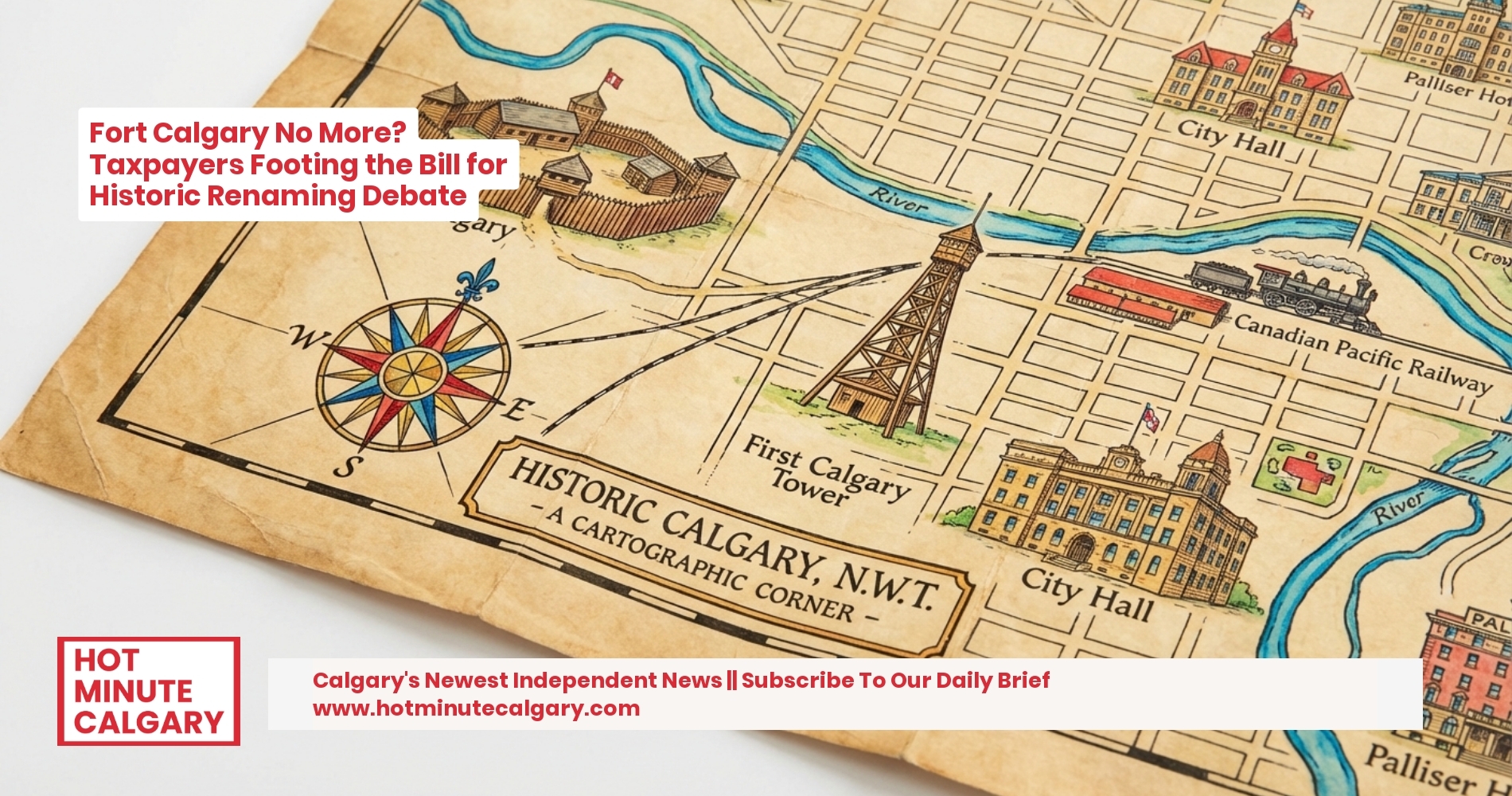
By The Numbers: What's in a Name?
Walk by the confluence of the Bow and Elbow Rivers these days, and you'll notice something different. What many Calgarians have known for generations as Fort Calgary Historic Park officially became "The Confluence: Historic Site and Parkland" on May 2, 2024. This isn't just a simple rebranding; it's a profound shift aiming to broaden the narrative, recognizing the thousands of years Indigenous peoples have lived on this land. For context, the original Fort Calgary was established way back in 1875 as a North-West Mounted Police (NWMP) post. Initially, it was called Fort Brisebois in December 1875, but was quickly renamed Fort Calgary in June 1876, a nod to Assistant Commissioner James F. Macleod's Scottish heritage. It even earned a National Historic Site of Canada designation in 1925. Now, instead of a direct link to the NWMP, Calgarians are encouraged to engage with a site reflecting a much deeper, multi-layered history, fundamentally changing how we connect with our city's origins.
Who Pays? You Do, Calgary.
Here’s where it hits home, right in your wallet. The initial push to rebrand Fort Calgary to The Confluence came with costs, all of which were, predictably, borne by Calgary taxpayers. But the financial story doesn't end there. A year post-rebrand, the City of Calgary, which owns the site, found itself dealing with "confusion and low public engagement" around the new "Confluence" brand. The solution? More taxpayer dollars are now being funneled into marketing campaigns and surveys, all in an effort to promote the new name. So, while the aim might be reconciliation and revitalization, the ongoing financial burden lands squarely on the shoulders of every Calgarian, whether you agree with the name change or not. It's a double whammy for our municipal budget, initially for the change, and now for the education of the public.
The Opposition: A Tug-of-War Over History
Not everyone is buying what City Hall is selling, and the debate is far from over. Just this week, Michelle Stirling, in an opinion piece on WesternStandard.news on December 22, 2025, made a heartfelt plea: "This Christmas, give us the gift of restoring the name of Fort Calgary." The Western Standard, known for its conservative social commentary focused on Western Canada, isn't alone in this sentiment. Organizations like Common Sense Calgary have launched petitions advocating for the reversal of the name change, gaining signatures well into July 2025. As Chris Nelson succinctly put it in the Calgary Herald, "The City of Calgary once again tries to bury our history by ditching the name Fort Calgary, the spot where the city began 150 years ago." This isn't just a political squabble; it's a deeply felt argument about identity and how Calgarians perceive their own foundational story.
The Verdict: What's Next for Our Historic Heart?
The City of Calgary's intention behind the rebranding was clear: to broaden the historical narrative and foster reconciliation. Yet, the path has been anything but smooth, marked by public confusion and significant taxpayer expense. As the holiday season rolls in, the debate over "The Confluence" versus "Fort Calgary" continues to simmer. For everyday Calgarians, this means a pivotal site in our city's history is currently a flashpoint, reflecting deeper questions about identity, heritage, and how our tax dollars are spent. Whether the name is ultimately restored, or if "The Confluence" takes root, one thing is certain: our collective understanding of where Calgary truly began is still being written, and every voice counts. The future of this historic park, and its name, remains a hot topic in our city.
Comments ()