

Calgary Crime Surge: Ottawa's Vaping Tax Fuels Black Market Growth
Rising crime in Calgary tied to Ottawa's vaping tax.
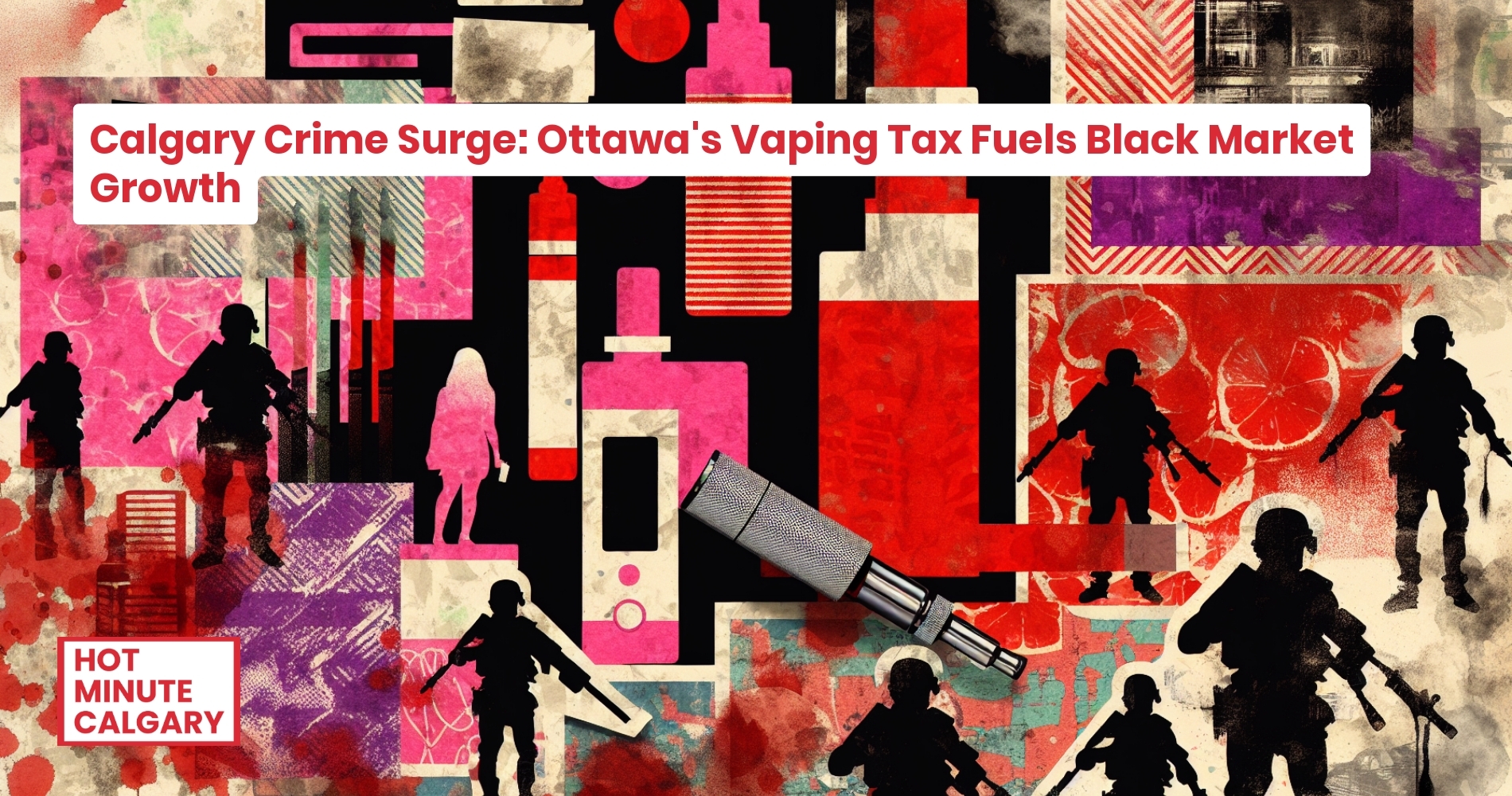
CALGARY, AB — A mounting list of Canadian cities—Calgary and Edmonton among them—are witnessing a surge in criminal activity that critics are tying directly to Ottawa's excise duty on vaping products, a tax critics call a "harmful barrier to quitting smoking" that's fueling black market growth.
The accusation, leveled publicly on social media Saturday, names Finance Minister Chrystia Freeland and Federal Minister François-Philippe Champagne as architects of a policy failure. The claim: their 12% tax hike on vaping products—now in effect since last July—isn't just squeezing wallets. It's pushing desperate consumers into the arms of organized crime.
The Tax That Keeps Taking
The Federal Excise Duty on Vaping Products launched in October 2022, but Budget 2024 cranked the dial. Freeland's April announcement raised federal rates by 12%, effective July 1, 2024. Five months later, Alberta joined a coordinated framework on January 1, 2025, requiring province-specific stamps and splitting revenues 50/50 with Ottawa.
The federal take from vaping taxes alone jumped from $184 million in its first six months to $486 million in fiscal 2023-2024. The 12% bump is projected to generate an additional $310 million over five years—money earmarked to offset a $1.5-billion federal drug plan.
But the Canadian Vaping Association has been sounding alarms since September 2024, warning Health Canada that increased excise taxes combined with weak enforcement are inflating an illegal market. Legitimate vape shops in Alberta reported last October that looming flavor bans—still not implemented Canada-wide—threatened to kill their businesses outright.
The Friction
On one side: health advocates who view higher taxes as a blunt but necessary tool to curb youth vaping. On the other: an industry arguing the policy punishes adult smokers trying to quit and hands market share to criminals who don't collect excise stamps or check IDs.
The Canada Revenue Agency administers the tax. The Canada Border Services Agency is supposed to intercept illegal imports. Neither has released recent data on illicit vaping enforcement in the nine months since the coordinated framework expanded to Alberta and four other provinces.
The Unanswered Question
No federal study has surfaced demonstrating whether the July 2024 tax increase actually reduced youth vaping rates or improved adult smoking cessation. The Department of Finance and Health Canada have remained silent on industry claims that the duty is actively sabotaging harm reduction.
A promised Canada-wide flavor ban, initially expected in June 2024, has still not materialized. Health groups warned in February 2025 that the policy was "increasingly unlikely."
For now, the list of affected cities—Calgary, Edmonton, Hamilton, Guelph, London, Niagara, Winnipeg, Saskatoon, Prince Albert—continues to grow. The criminals are collecting revenue. So is Ottawa.

Comments ()