

Calgary Parks: All-Terrain Wheelchairs Debut
Calgary debuts free All-Terrain Wheelchairs.
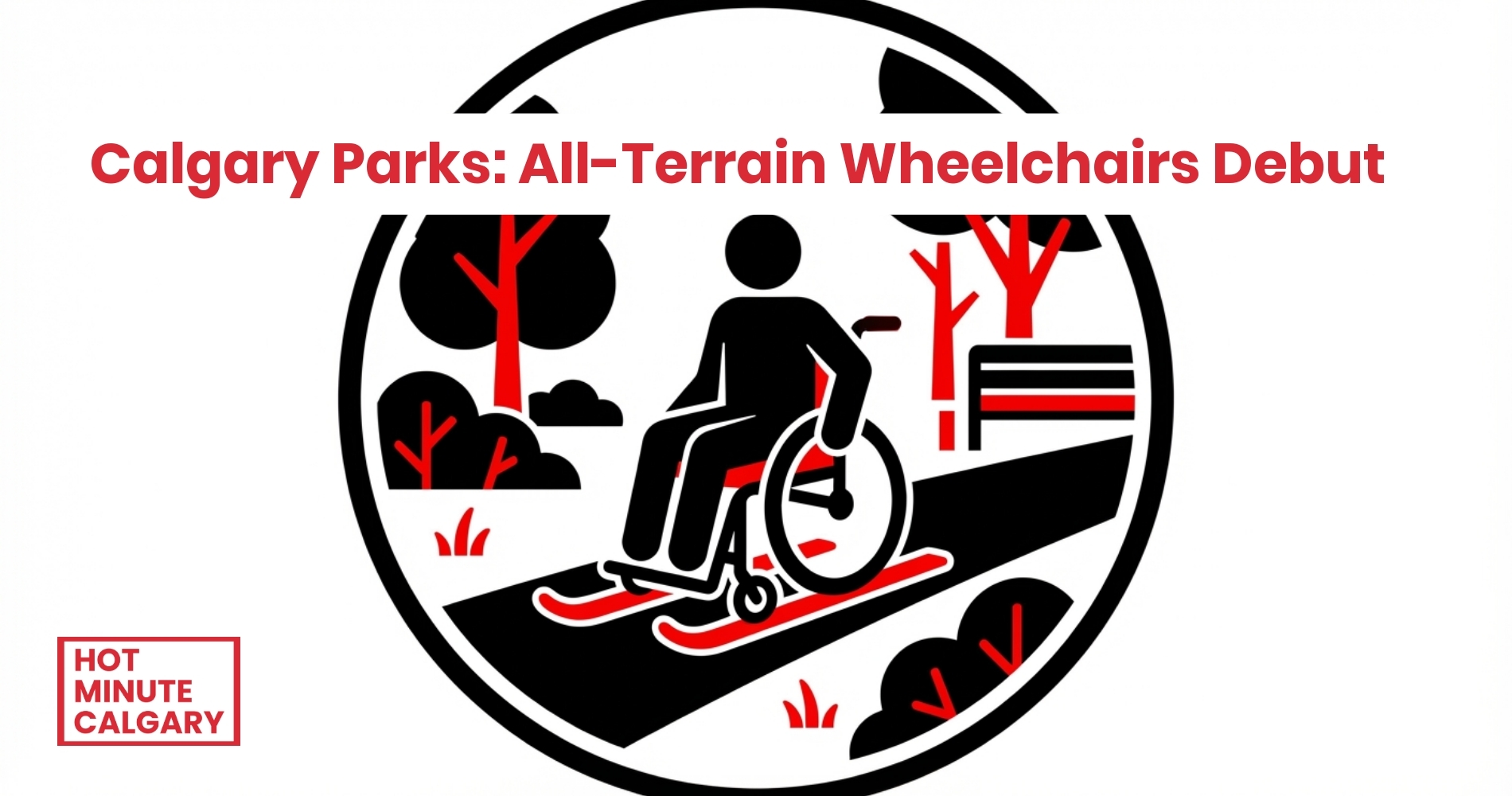
CALGARY — Winter just got less lonely for wheelchair users locked out of Calgary's snow-covered parks. On January 22, 2026, the city cracked open the gates at North Glenmore Park and Prairie Winds Park with a no-cost pilot that puts specialized All-Terrain Wheelchairs into the hands of anyone who needs them.
The move is simple: Book online, grab your ride, and hit the trails for three hours. No charge. No red tape.
What You're Actually Getting
These aren't your standard-issue wheelchairs. The ATWs roll on fat tires built for stability and mount skis on the front to carve through snow like it's a minor inconvenience. Book them through the city's Live and Play portal up to 90 days in advance, pick your three-hour window, and get them back by 3:30 p.m.
The pilot runs until early March 2026, targeting the exact problem that's kept mobility-challenged residents trapped indoors every winter: snow, ice, and terrain that standard equipment can't touch.
The Money Question
Calgary's 2025 Budget threw $18.7 million at recreational facilities and park upgrades. How much of that went to buying these wheelchairs? The city's not saying. For context, similar models run about $12,500 USD per unit elsewhere. That's the kind of price tag that keeps families out of the game entirely, according to Sheralee Stelter, Executive Director of Cerebral Palsy Kids and Families, who called the program a fix for "a major barrier" most can't afford to clear on their own.
Mark Murias, Superintendent of Parks & Open Spaces, is steering the ship as lead spokesperson. The program ties into Alberta's "Everyone Belongs Outside" inclusion push and the provincial Plan for Parks update, which sounds bureaucratic until you remember it's about getting people into nature who've been shut out for decades.
What Happens Next
The city reviews results in March 2026. Will they expand? Extend? The criteria for success haven't been published yet, and neither has a road map for where the money comes from if this thing grows legs. The federal Enabling Accessibility Fund is on the table as a potential cash source.
No opposition has surfaced. No critics have stepped forward. For now, it's a rare story where nobody's throwing punches—just opening doors that should've been unlocked years ago.
Comments ()