

Calgary’s Olympic Ghost: Why 2038 is the New 2026
Calgary weighs a 2038 Olympic bid amid infrastructure woes.
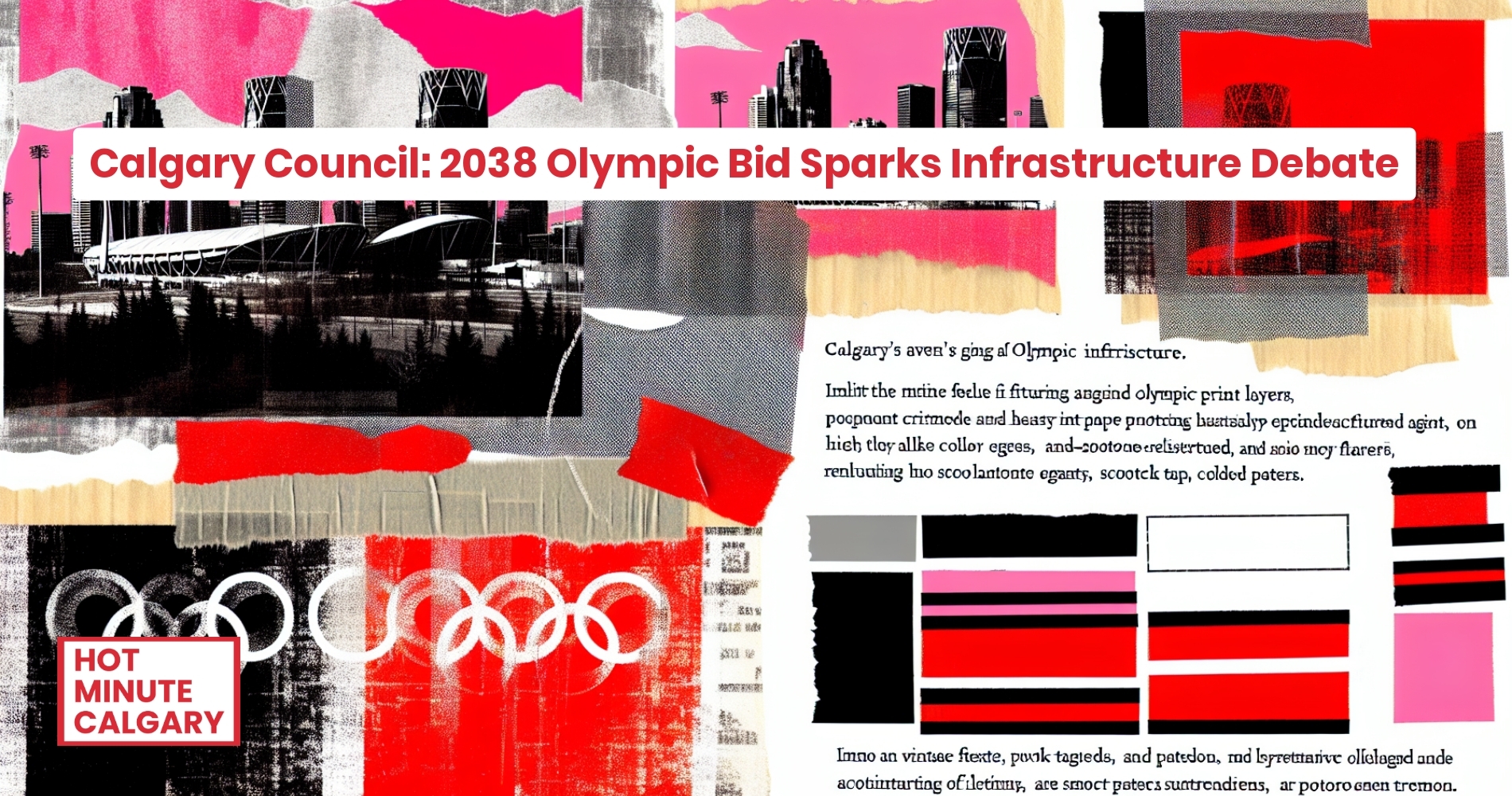
CALGARY, AB — As the world’s eyes settle on the torch lighting up the Italian Alps for the Milano-Cortina 2026 Winter Olympics (Feb 6–22), Calgary is experiencing a collective case of phantom limb syndrome. If the 2018 plebiscite had gone the other way, that flame would currently be reflecting off the glass of the Bow Tower. Instead, we are watching from the bleachers, nursing a strange mix of "competitive FOMO" and a deep, quiet sigh of relief. We aren’t just watching a sporting event; we are watching a version of our city that we decided we couldn't afford to be—at least, not yet.
The Bullet We Dodged
The prevailing narrative today is that Calgary "dodged a bullet" by rejecting the 2026 bid. With global inflation and security costs making the original $5.1 billion estimates look like fairy tales, a 2026 Games would have likely saddled us with a debt legacy dwarfing our current arena deal. But the "Big Why" that rarely makes the front page is that Calgary’s Olympic hunger was never really about the podiums or the spandex; it was a massive infrastructure renovation bill disguised as a seventeen-day party.
The 2038 Identity Crisis
We find ourselves in a "Middle Child" identity crisis—too large to be considered a charming underdog, yet seemingly too small to be "unignorable" on the world stage without a mega-event to validate us. This is why the conversation is already shifting toward a 2038 bid, spearheaded by figures like Mayor Jeromy Farkas who have transitioned from "No" warriors to strategic realists.
By 2038, the crown jewels of our 1988 legacy—the Olympic Oval, McMahon Stadium, and WinSport—will be half a century old. As Mayor Farkas noted this month, there is a "strong business case" for reinvesting in these facilities, which are currently battling brine leaks and aging frames. We need the Olympics because, in the brutal world of federal and provincial politics, getting a "Transit Hail Mary" like an airport LRT connection or a billion-dollar track renovation is a non-starter without a global deadline attached to it.
Fixing the Brittle Bones
Ultimately, Calgary is currently existing in a cultural liminal space. Our "luck" in missing out on 2026 has exposed our brittle bones—most notably our crumbling water infrastructure. The December 2025 Bearspaw South Feeder Main rupture (the second in 18 months) served as a stark reminder that we are $3 billion behind on critical repairs. It has given us the breathing room to fix ourselves before we try to host the world again.
The 2038 discourse isn't about the love of the Games; it’s about a city realizing it needs a working water system and a train to the airport. If it takes a global spectacle to finally get the provincial and federal checks signed, Calgarians might just be desperate enough to say "Yes" the next time the torch comes knocking.
Comments ()