

Calgary Oil Industry: Maduro's Arrest Sparks Strategic Chaos
Calgary faces strategic shifts as Maduro's arrest impacts Alberta's oil industry, highlighting the need for diversification.
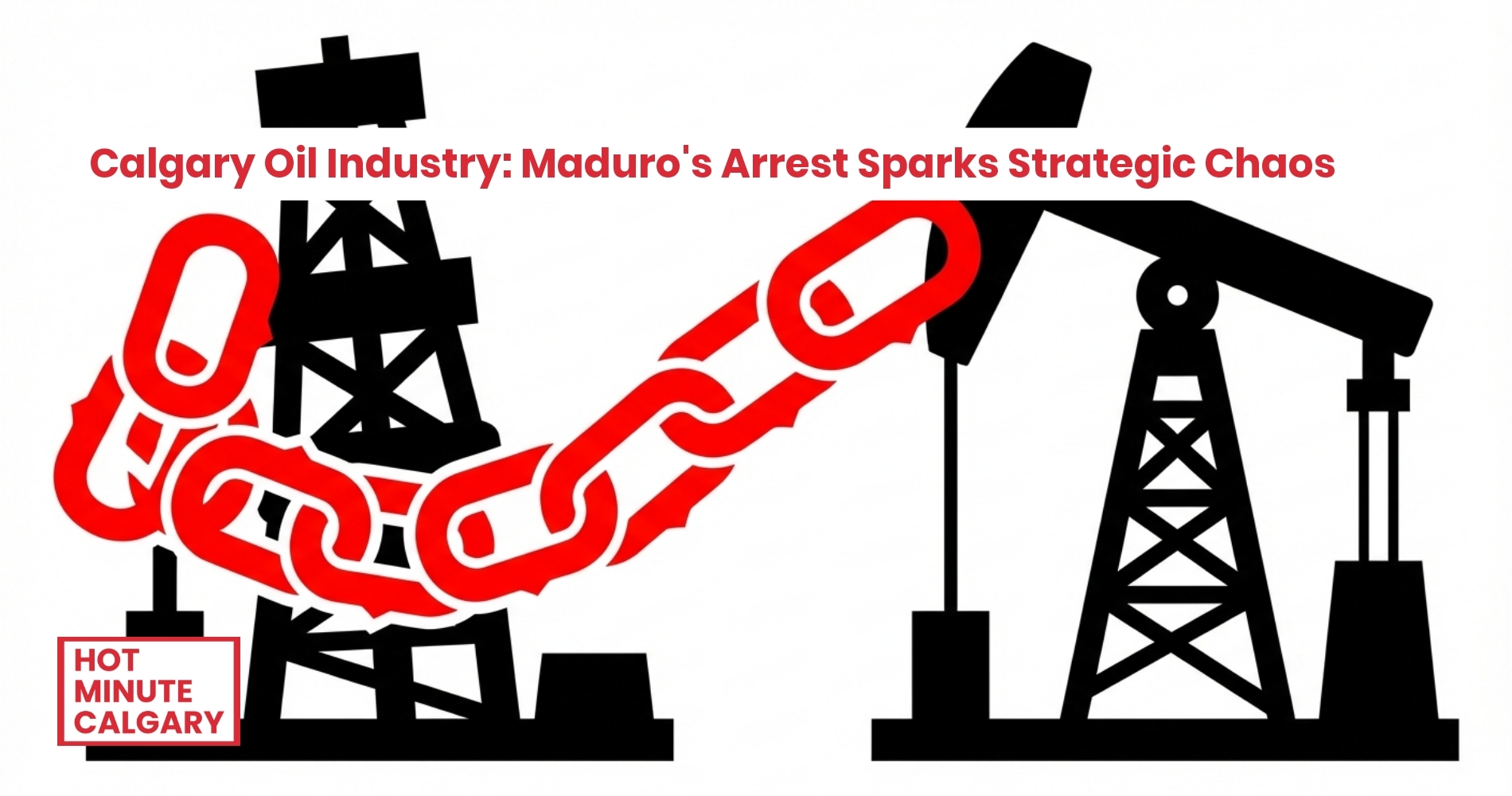
CALGARY — The start of 2026 was marked by the dramatic arrest of Venezuelan President Nicolás Maduro on January 3, during a U.S.-led military operation in Caracas. This development has significant implications for Alberta's oil industry, as Venezuela holds the largest proven oil reserves globally, a critical point considering Canada's position as the third-largest.
Geopolitical Shifts and Economic Implications
The arrest of Maduro by U.S. forces and the subsequent geopolitical instability in Venezuela have reignited discussions about Canada's energy strategy, particularly in Alberta. Venezuela's oil industry has suffered from years of mismanagement, producing less than a million barrels per day. In contrast, Canada's production approaches five million barrels per day. The potential U.S. involvement in revitalizing Venezuela's oil infrastructure introduces uncertainties. U.S. President Donald Trump has suggested that major American oil companies could invest billions to overhaul the infrastructure, though such comments lack verification. This situation underscores the need for Canada to diversify its energy customer base, especially given the strategic positioning of U.S. Gulf Coast refineries that process heavier crude from both Venezuela and Canada.
The Critics & Costs
While speculation suggests the U.S. might reduce its reliance on Canadian oil, experts argue these claims are exaggerated. Alberta's oil exports are embedded in a stable system of contracts and infrastructure that are unlikely to be disrupted quickly. However, the situation remains fluid, with potential long-term impacts on global oil supply dynamics. The emphasis on diversification is critical, as highlighted by recent expansions like the Trans Mountain Expansion and LNG Canada Phase 1, which aim to improve access to Asian markets. The cost of inaction could be high, as Canadian producers face ongoing risks from geopolitical events and market volatility.
Looking ahead, the unfolding situation in Venezuela serves as a stark reminder of the uncertainties facing Canadian oil producers. The industry must continue to push for expanded market access beyond the U.S. to mitigate risks and secure a stable economic future. As 2026 progresses, the focus will be on executing strategies to enhance non-U.S. exports and adapt to the changing global energy landscape.
Comments ()