

Calgary Startup: Revolutionizes Thought-Controlled Tech for Kids
Calgary startup empowers kids with thought-controlled tech.
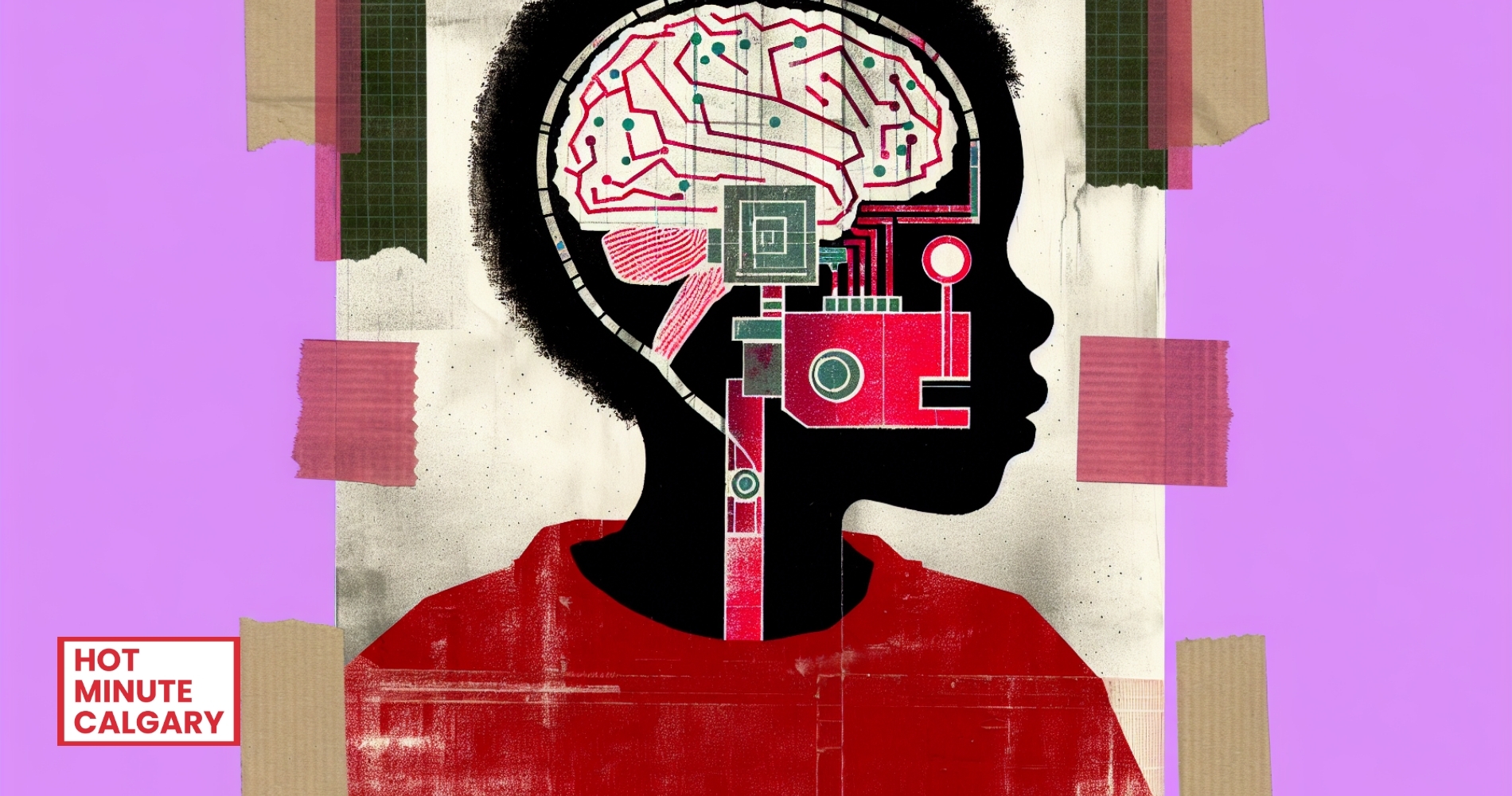
CALGARY, AB — A Calgary startup born from Alberta Children's Hospital research is putting thought-controlled technology into the hands—or rather, minds—of kids who can't speak or move. And it doesn't require surgery, a six-figure budget, or a PhD to operate.
Possibility Neurotechnologies won the Alex Raczenko Pitch Award at Calgary Innovation Week for Think2Switch™, a brain-computer interface system that uses a consumer-grade EEG headband and homegrown AI to translate neural signals into real-world commands. Turn on a light. Start a show. Move a wheelchair. All with thought alone.
The friction point? Most brain-computer interface tech costs north of $100,000 and requires a technician just to boot up. Think2Switch is designed to be parent-friendly—setup in under five minutes, no lab coat required.
The Local Lab That Went Commercial
The project didn't start in a garage. It grew out of the BCI4Kids program at Alberta Children's Hospital, where University of Calgary neuroscientists were testing high-end research on kids with cerebral palsy and other severe mobility disorders. The leap from clinical trial to living room is what caught attention.
Unlike Neuralink's surgical implants, Think2Switch uses an off-the-shelf EEG headband—the kind athletes use for meditation tracking. The magic is in the software: proprietary AI that filters out "brain noise" and recognizes specific neural oscillations as commands. The user thinks a pattern. The system reads it. A digital signal fires. A device responds.
Right now, the company is piloting the system with local families and clinics, fine-tuning the AI's speed and accuracy for everyday tasks. Claire, the 2024 Children's Hospital Champion, is one of the local users actively testing the tech in her daily routine.
Beyond the Light Switch
Possibility Neurotechnologies isn't stopping at smart home controls. Their next development focus is BCi-Move, a system designed to let kids with severe disabilities operate power wheelchairs independently—no joystick, no caregiver pushing from behind. For a child who has never moved themselves through space, that's not just mobility. It's autonomy.
The company was named one of Calgary's Top 10 Startups to Watch in 2026, a signal that the city's health-tech sector is moving from research hub to commercial player. Calgary Economic Development and Platform Calgary have quietly backed this shift, positioning the city as a contender in social-impact technology.
The Cost Question
Traditional BCI systems can exceed $100,000. Think2Switch's bet is on accessible hardware—consumer-grade headbands paired with smart software. Exact pricing for commercial release hasn't been disclosed, but the design philosophy is clear: if a parent can't afford it or operate it, it doesn't work.
The pilot program is ongoing. No timeline yet for broader commercial availability, but the company is actively refining the AI with real-world feedback from Calgary families. The next phase hinges on how fast they can teach the software to recognize thought patterns across different users and conditions.
For now, the message is simple: Calgary-built tech is giving kids the ability to control their environment using the one thing that was never limited—their mind.



Comments ()