

Green Line: Calgary Council Seeks Public Input Amid Controversy
Calgary seeks public feedback on the controversial Green Line.
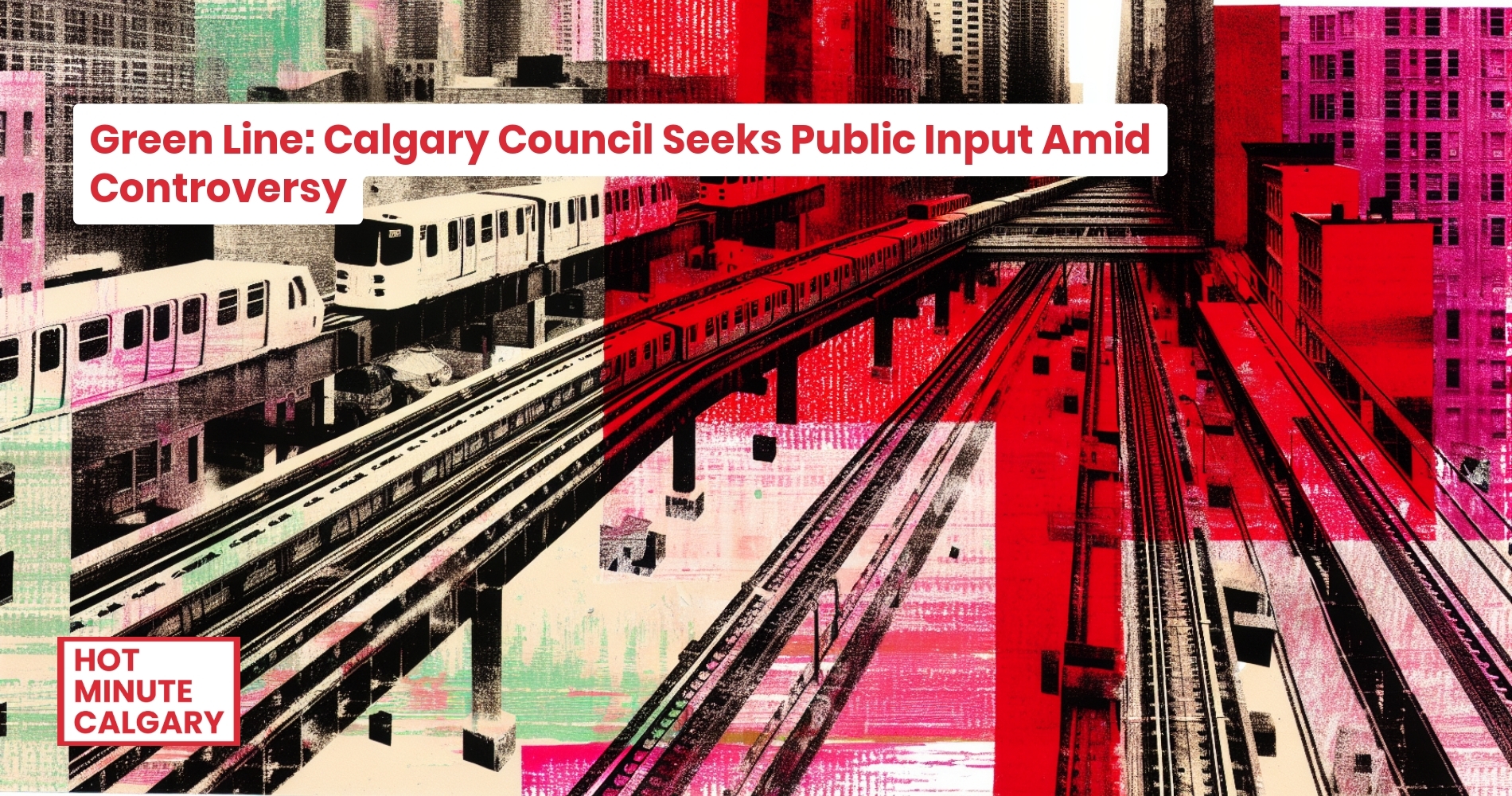
CALGARY, AB — The City of Calgary is once again asking the public to weigh in on the Green Line's downtown segment, a request that lands today with all the enthusiasm of a third referendum on your neighbor's fence height. The engagement window—open now through March 2—centers on the elevated route that will slice through the city's core, a design mandated by the Province after last year's near-death funding standoff.
This is the Functional Planning Study for the elevated alignment along 10 Avenue and 2 Street SW, the same concept that triggered alarm bells from the business community in late 2024. Commercial property groups warned the elevated tracks would create shadowed corridors ripe for crime, tank retail foot traffic, and gut property values. The Province insisted on the elevated design to dodge the cost nightmare of tunneling. City Council voted to proceed in January 2025, and here we are.
The Money Still Talks
The total bill sits at $6.248 billion for Phase 1—a price tag inflated by $748 million in July 2024 after cost overruns forced the City to cut stations south of downtown. The funding split: $1.53 billion federal (approved March 2025), $1.53 billion provincial (committed in the 2025 budget), and over $3 billion from Calgary taxpayers, who absorbed a $705 million increase to keep the project breathing.
Groundbreaking on the Southeast Segment happened in June 2025, with construction now active at five sites. The downtown piece—the one causing all the friction—remains in planning limbo until this engagement wraps and Administration reports back to Council.
The Friction Point
The timing is blunt. This is the same elevated concept that nearly torpedoed the entire project when Alberta Transportation Minister Devin Dreeshen threatened to yank provincial funding in September 2024 unless the City scrapped its original route. Council voted to wind down the project at an estimated cost of $2.1 billion before cutting a deal with the Province in October. Former Mayor Jyoti Gondek publicly disputed the provincial timeline and raised concerns about the elevated design's collateral damage. Current Mayor Jeromy Farkas now oversees a process that assumes the elevated route is a done deal—the engagement asks "how," not "if."
Community associations and business groups are expected to dominate the feedback, but the question hanging over the entire exercise is whether public input can move the needle on a design effectively locked in by intergovernmental funding agreements. The Province's $1.53 billion came with strings: elevated or nothing.
What Happens Next
The engagement closes March 2. Administration will present findings to Council in the coming months, with a final Functional Plan expected to inform design and construction timelines for the downtown segment. Major civil contracts for the Southeast Segment are set to be awarded in 2026, meaning the clock is ticking on resolving the downtown alignment before construction crews need a clear path north.
The Green Line has survived funding crises, scope cuts, a dissolved oversight board, and a CEO departure. Whether it can survive public engagement—again—depends on whether anyone believes their input will change the track already laid.
Comments ()