

Calgary Council: Antisemitic Crime Spike Triggers Urgent Action
Calgary tackles 40% rise in antisemitic crimes.
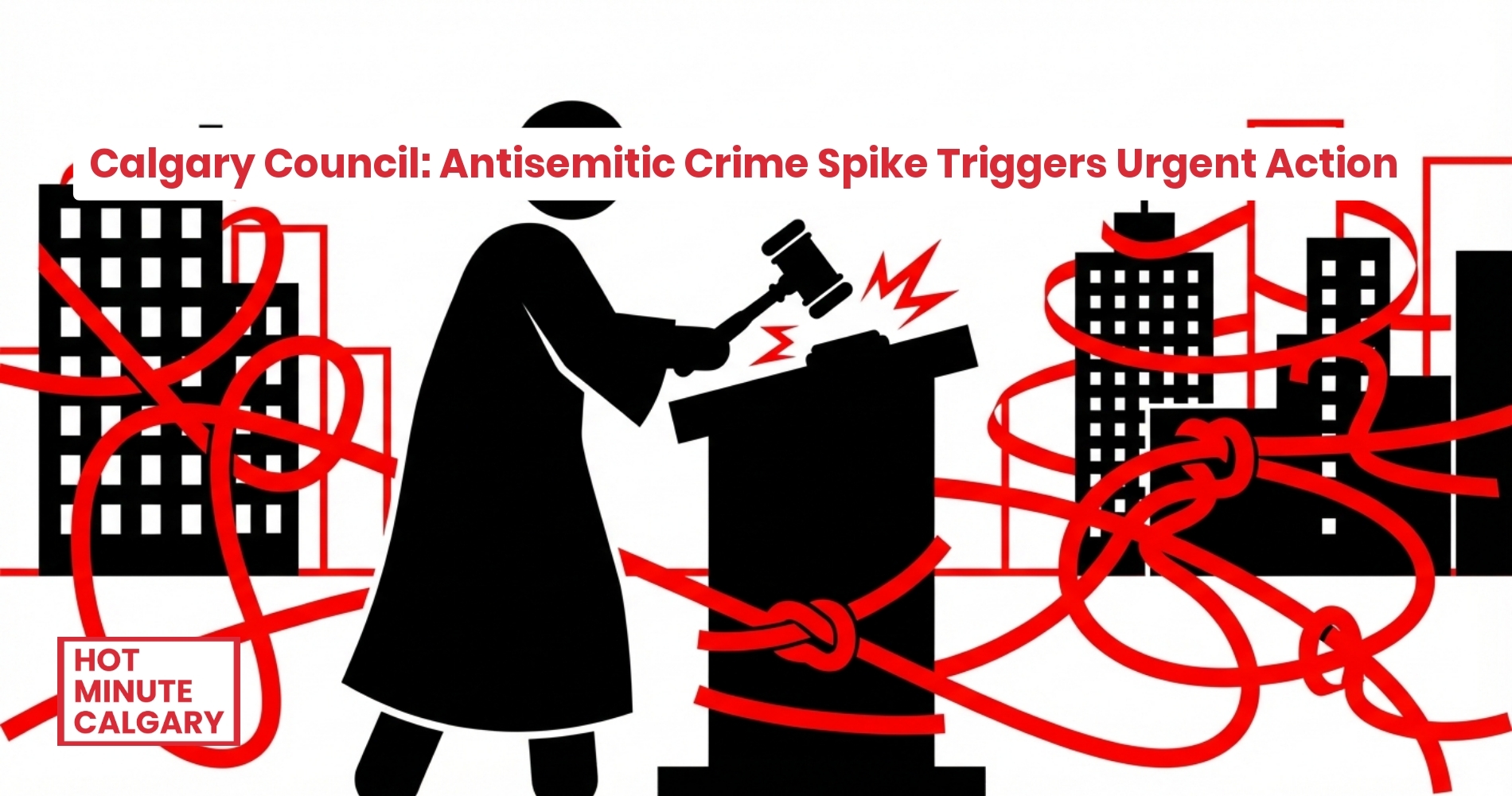
CALGARY — Mayor Jeromy Farkas opened Monday's council meeting with a message most politicians would call "important." He called it a responsibility. On January 27, 2026—International Holocaust Remembrance Day—Farkas and the Calgary City Council paused to honor the 6 million Jews murdered during the Holocaust. The subtext wasn't subtle: hate has no place in Calgary. The timing wasn't accidental either.
The Numbers Tell a Darker Story
In October 2025, the Calgary Police Service dropped a stat that should make anyone uncomfortable: hate-motivated crimes jumped 40% year-over-year. The driver? Antisemitic incidents. Not close. Not tied. The primary cause.
The city's Hate Crime and Extremism Team—funded through the City of Calgary Service Plans & Budgets 2023-2026—has been running full tilt. They're chasing organized hate groups and lone wolves radicalized in the dark corners of the internet. International tensions aren't helping. Geopolitical fires halfway across the globe are sparking hatred on Calgary streets.
Who's Paying the Price?
Community groups like the Calgary Jewish Federation and B'nai Brith Canada aren't just tallying incidents—they're the ones picking up the pieces. Vandalized synagogues. Harassed families. Security upgrades at places like the Paperny Family JCC that weren't in anyone's budget until they became necessary.
During November 2025 budget talks, these organizations made their pitch: more funding for the City's Anti-Racism Action Committee grants, which bankroll education and outreach programs. Because right now, most of the financial hit—the cleanup, the cameras, the guards—is landing on the communities themselves. Provincial security grants help. Sometimes. But it's not enough to cover the rising cost of staying safe.
The Fight Isn't New
Calgary's Anti-Racism Strategic Plan 2023-2027 is supposed to be the roadmap. The Hate Crime and Extremism Team keeps working cases—high-profile graffiti at synagogues, slurs scrawled on public infrastructure throughout 2025. But the question lingers: is the city moving fast enough?
Mid-2025 saw heated council debates over enforcing the Public Behaviour Bylaw during protests where hateful symbols and speech showed up. Some called it a free speech issue. Others called it a cop-out. The clash exposed the gap between policy and action.
Monday's remembrance wasn't just ceremony. It was a signal. Whether the follow-through matches the rhetoric is what's left to see.
Comments ()