

ASIRT Clears CPS After Downtown Protest Arrest: What It Means For Calgary's Streets
By The Numbers
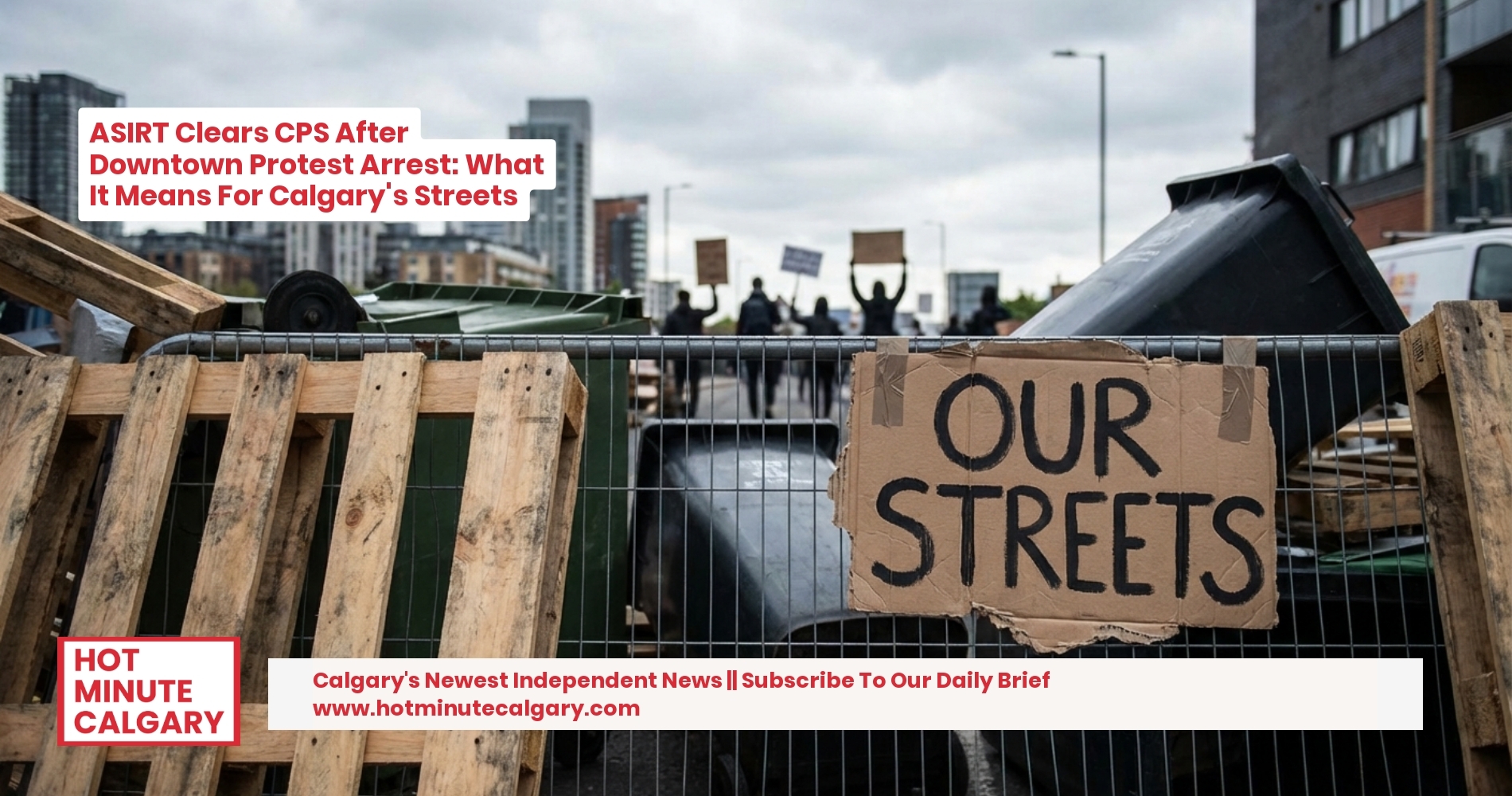
Another chapter closes in Calgary’s ongoing dialogue between protest and public order. The Alberta Serious Incident Response Team (ASIRT) has officially cleared Calgary police following the arrest of a pregnant, hijab-wearing pro-Palestinian protester during a downtown blockade. This decision, reported by the Western Standard on December 17, 2025, comes after an incident that sparked significant local discussion about police conduct and the right to protest. It's not the first time we've seen downtown Calgary impacted by such demonstrations; a similar pro-Palestinian protest in September 2024 saw Calgary police issue 12 tickets to participants and make three arrests after the group veered off sidewalks and snarled traffic, creating headaches for Calgarians trying to navigate their city.
Who Pays?
When our city's arteries, like those downtown routes, get clogged by blockades, it’s not just a minor inconvenience – it’s a direct hit to the daily grind for thousands of Calgarians. Imagine missing an appointment, being late for work, or small businesses losing out on customers because their pathways are blocked. This isn't just about 'the principle' for those protesting; it’s about tangible disruptions for everyone else. The provincial government, through the Alberta Critical Infrastructure Defence Act (Bill 1), introduced in 2020, has laid out steep penalties precisely for these kinds of disruptions. Obstructing essential infrastructure, including our highways and key city routes, can land offenders with fines ranging from a cool $1,000 up to $10,000, and potentially up to six months in jail for a first-time offense. So, while the right to protest is fundamental, the price for disrupting Calgary’s pulse can be significant – both for those who choose to blockade and for the Calgarians trying to live their lives.
The Opposition
But not everyone sees these enforcement actions as a clear-cut win for public order. Civil liberties advocates, like the Canadian Civil Liberties Association (CCLA), have consistently voiced concerns about police powers in protest situations. Their stance is clear: "No police force should use its powers to suppress non-violent speech and shut down peaceful protests." This sentiment isn't new to Calgary; the CCLA has previously called for investigations into how our own Calgary Police Service handles student protests, underscoring the delicate balance between maintaining public safety and safeguarding fundamental freedoms in our vibrant democracy. It's a tension point that sits at the heart of cases like this ASIRT review, prompting many Calgarians to ask where the line truly lies.
The Verdict
With ASIRT clearing Calgary police in this high-profile incident, the official word is that the officers acted appropriately. For many Calgarians, this clearance will reinforce trust in our police service's ability to manage complex situations while adhering to protocols. For others, particularly those aligned with the CCLA's perspective, it will undoubtedly fuel further questions about accountability and the protection of protest rights. Ultimately, this decision doesn't just close a file; it continues a vital civic conversation about how Calgary balances the passionate expression of dissent with the city's need for order and the daily lives of its citizens. As our city continues to grow and evolve, so too will this critical dialogue on our streets and in our communities.
Comments ()