

Alberta Privacy: Health Data Reform Urged Amid AI Challenges
Urgent health data reforms needed to address AI challenges.
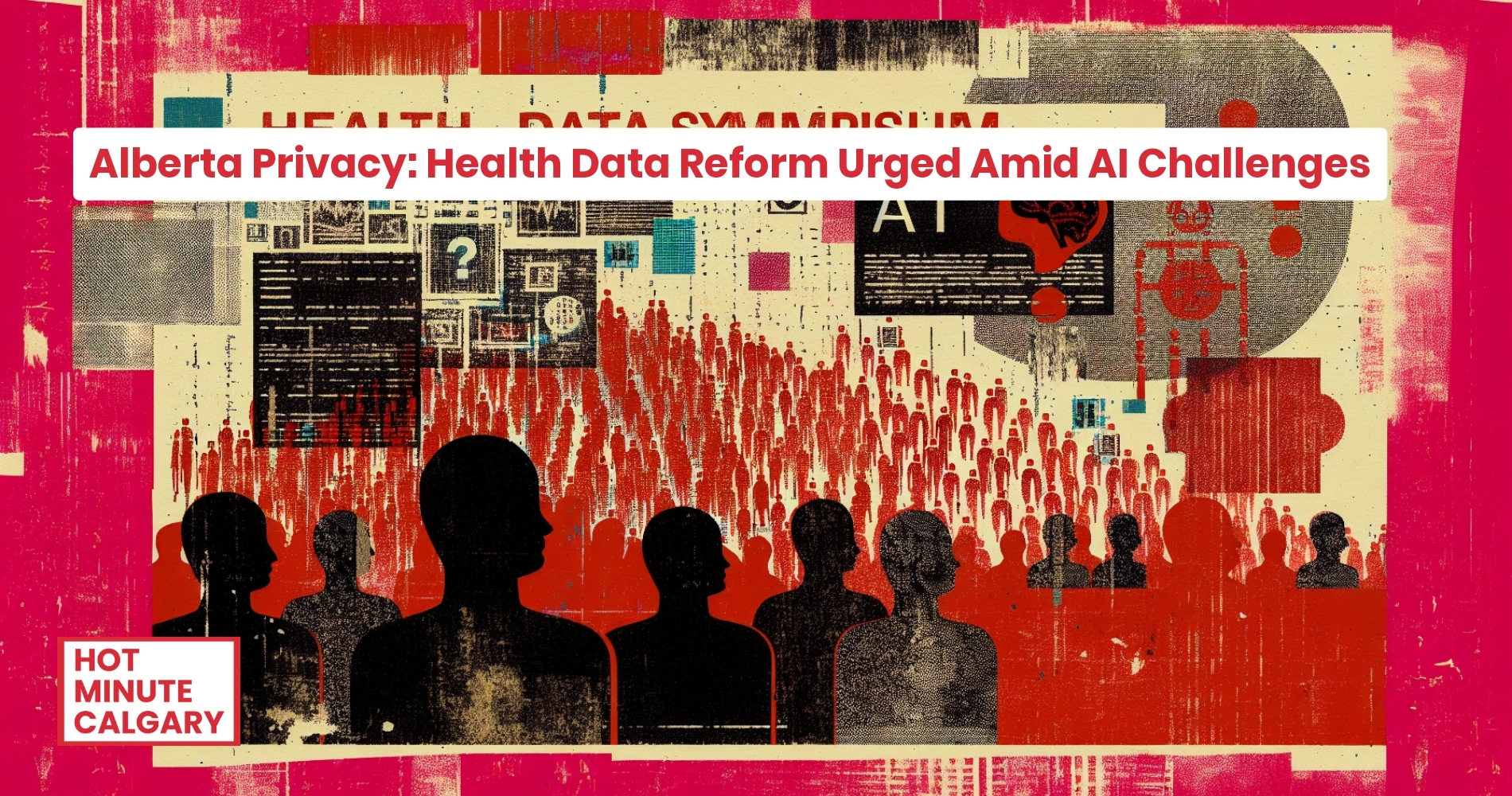
TORONTO, ON — Alberta's privacy watchdog took her case for health data reform to a national stage today, joining privacy commissioners from across Canada to make the pitch that current laws aren't built for the AI-powered healthcare system already running in hospitals.
Commissioner Jill McLeod spoke at a Toronto symposium on health privacy legislation reform this afternoon, sharing the platform with her counterparts from British Columbia and Ontario. The closed-door session brought together data management experts, healthcare administrators, and policy architects wrestling with a fundamental tension: patients expect their medical records to stay private, but modern healthcare runs on algorithms that need access to massive data pools to function.
"The reality of health data use has outpaced the legislation designed to protect it," one symposium participant noted, summarizing the core friction driving today's discussion.
The AI Problem Nobody Solved
The symposium comes as Alberta's Office of the Information and Privacy Commissioner continues to flag gaps in the province's Health Information Act, which was written before machine learning became standard practice in diagnostic imaging, treatment planning, and hospital resource allocation. McLeod's office has spent the past year pushing the Alberta government to modernize privacy frameworks to account for AI systems that can analyze patient data at scales no human auditor could monitor.
The players who matter — Health Minister Adriana LaGrange and Technology and Innovation Minister Nate Glubish — have yet to introduce formal amendments to the HIA, though the OIPC's 2024-2025 annual report (released late last year) laid out specific recommendations for legislative updates.
The Cross-Border Push
Today's symposium signals a coordinated effort among provincial privacy commissioners to align their reform strategies. With BC and Ontario facing identical challenges — how to let AI improve healthcare without turning every patient into a data point in an unaudited black box — the three provinces appear to be building a common framework rather than crafting isolated solutions.
The OIPC operates on provincial budget allocations detailed in Alberta's 2025-2026 fiscal plan. Any serious legislative overhaul to the HIA would require additional funding for Alberta Health Services to upgrade systems, retrain staff, and build compliance infrastructure capable of tracking AI-driven data flows in real time.
What Happens Next
No legislative proposals are currently before the Alberta Legislature. McLeod's office continues to recommend updates, but the timeline for actual reform depends on whether LaGrange and Glubish decide the political cost of overhauling health privacy laws is worth the payoff. The symposium today was about building the case. The hard part — getting it through the Legislature — hasn't started.
Comments ()