

AI Health Advice: The Five-Times Harm Risk Hitting Canadians
CMA survey: Canadians using AI health advice face 5x harm risk
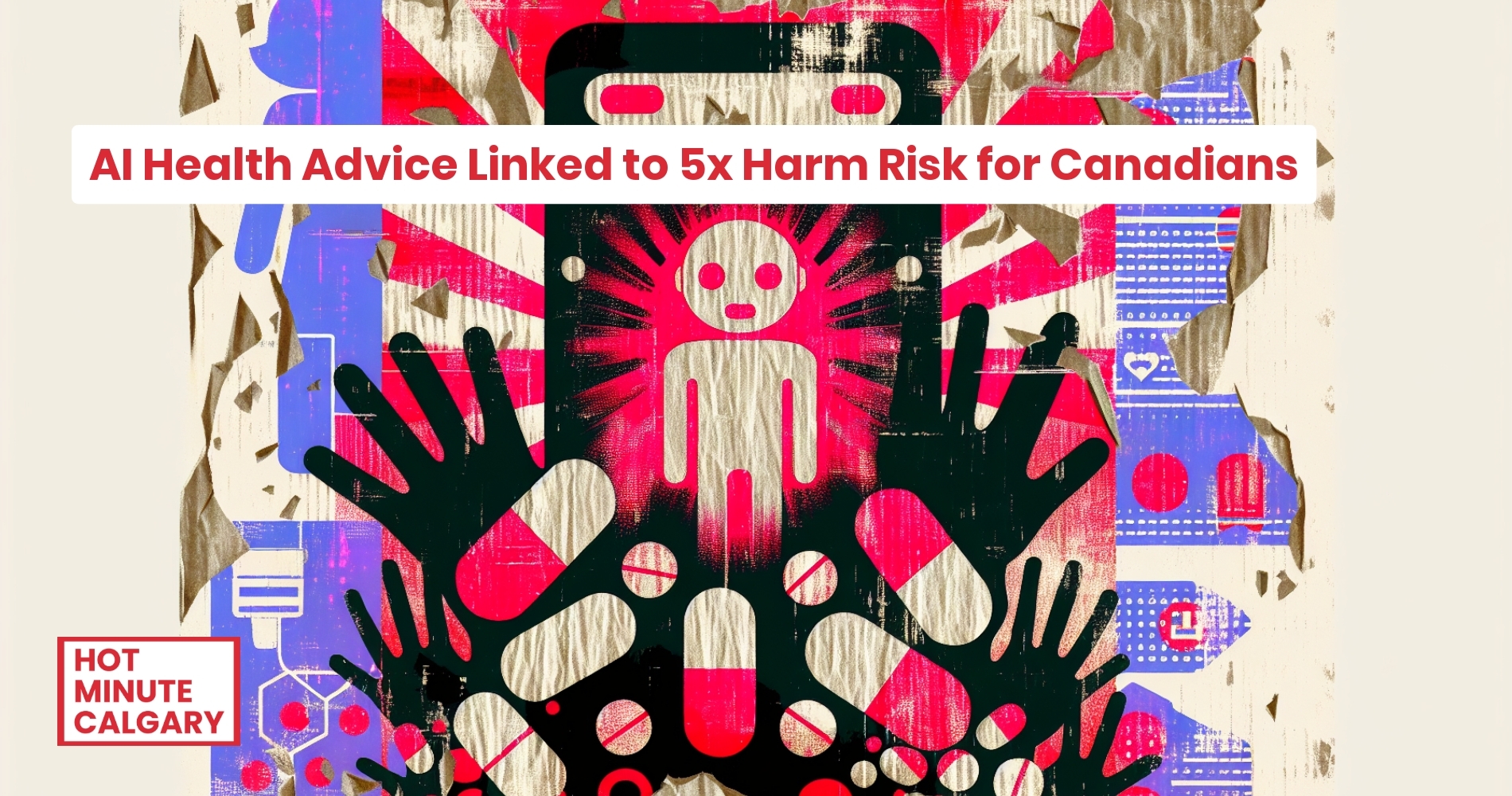
CALGARY, AB — Canadians turning to AI for health advice are five times more likely to experience harm than those sticking with traditional care, according to new data that's forcing a hard look at what happens when people can't see a doctor.
The 2026 CMA Health & Media Tracking Survey, published February 10, draws a direct line between healthcare access gaps and risky online behavior. When wait times stretch and family doctors remain out of reach, people click instead of call—and the consequences are measurable.
The Convenience Trap
The Alberta Medical Association flagged the findings as part of a broader patient safety crisis. The survey shows Canadians are choosing AI-generated health information for one simple reason: it's easier than navigating the current system.
That convenience comes with a cost. False health information—whether from chatbots, algorithms, or unverified sources—is leading to real harm, from delayed diagnoses to contraindicated treatments.
Access Crisis Fuels the Shift
One in five Canadians reported difficulty accessing a family doctor in the past year, according to December 2025 data from the Canadian Institute for Health Information. Rural and remote areas face even steeper barriers.
Alberta's own physician shortage has been well-documented. The AMA's July 2025 position statement called for urgent investment in recruitment and retention, citing growing patient panels and extended specialist wait times.
The province allocated an additional $300 million to Alberta Health Services in its September 2025 Health Care Action Plan, targeting primary care access and emergency room backlogs. But the money hasn't closed the gap fast enough to stop the online migration.
What Happens Next
Health Canada launched a $50 million Digital Health Innovation Fund in October 2025, aimed at safely integrating AI tools into the healthcare system. The Canadian Medical Association released an AI ethics policy brief in November 2024, pushing for robust regulatory frameworks.
But regulation trails reality. People are using AI now. The harm is happening now. And the survey makes clear that without immediate improvements to access, the trend will accelerate.
The AMA's message is blunt: gaps in care create dangerous workarounds. Fixing the first problem is the only way to solve the second.

Comments ()